Wondering what to eat in Pag? Begin with the ingredients that could only taste this way because they come from this island: Paški sir, Pag lamb, fresh seafood, skuta, baškotini, olive oil, local wine and salt. Then leave room for the newer dishes that use those same flavours in a different way.
This is also a guide for anyone deciding where to eat in Pag. The island offers traditional konobas, seafood restaurants, family producers and modern kitchens. At D10’s Pizza Fantasista on Prosika Beach, we work with Pag ingredients every day and see how quickly a meal becomes more memorable when visitors understand the place behind what they are eating.
Food on Pag is not separate from the landscape. The bura carries salt across stone and herbs. Sheep graze on that sparse vegetation. The sea supplies the daily catch. Olive trees survive where softer plants would struggle. Those conditions shape the island’s most recognizable flavours.
"You have not really visited Pag until at least one meal has tasted like the island around you."
What Food Is Pag Famous For?
- Paški sir — the island’s best-known product and the essential first taste of Pag.
- Paška janjetina — local lamb shaped by Pag’s rocky terrain, herbs and salt-carrying wind.
- Fresh Adriatic seafood — grilled fish, octopus, squid and shellfish prepared with restraint.
- Paška skuta — a fresh, soft and delicate dairy product often missed by first-time visitors.
- Paški baškotin — a crisp convent biscuit with more than three centuries of local tradition.
- Local olive oil — especially oils connected with the ancient olive landscape around Lun.
- Žutica and Gegić — names connected with Pag’s historic wine identity.
- Pag salt — the ingredient that quietly connects the island’s food, history and landscape.
- Pizza with Pag ingredients — a modern way to taste Paški sir, skuta, herbs and olive oil together.
1. Paški Sir: The First Thing to Taste in Pag
Paški sir is the natural starting point for any guide to traditional food in Pag. It is made from the milk of the indigenous Pag sheep, which graze across sparse, aromatic terrain exposed to the salt carried by the bura wind.
Try more than one age. Younger cheese is usually softer and gentler. A more mature wheel becomes firmer, more aromatic and more intense. Tasting them side by side makes it easier to understand why Paški sir is not merely a souvenir but a complete food culture.
Paški sir also works beyond the traditional cheese board. At D10, it gives the Dalma pizza its unmistakably local finish, alongside an olive oil base, arugula, Dalmatian prosciutto and cherry tomatoes.
2. Paška Janjetina: The Island Landscape on a Plate
Pag lamb cannot be separated from the environment in which it was raised. The sheep move through harsh rocky terrain and feed on sparse vegetation and medicinal herbs touched by sea salt carried through the air.
The best traditional preparations are usually simple: roasted, slowly cooked or prepared under a peka, with uncomplicated sides. This is not a quick snack before returning to the beach. It is the meal around which you build the afternoon.
3. Fresh Seafood: Ask What Arrived Today
Pag is an island, so seafood belongs high on the list. Look for grilled fish, octopus, squid, shellfish or a fisherman’s-style dish built around what was available that day rather than what looked most elaborate on a permanent menu.
The most useful question is often not, “What is your most popular dish?” Ask what is fresh, what arrived recently and what the kitchen would choose. Good seafood may need little more than olive oil, garlic, parsley, fire and Pag salt.
4. Paška Skuta: The Local Ingredient Visitors Nearly Miss
Paški sir receives most of the attention. Paška skuta is the quieter discovery. It is made from the whey left during cheese production and is fresh, mild, soft and delicate rather than aged and intense.
Skuta can appear in savoury or sweet combinations: with herbs and olive oil, with honey, inside pastries, beside vegetables or as a softer counterpoint to stronger island flavours. Its availability can be seasonal, so order it when you find it.
It is also one of the ingredients behind Kaloka Vege, a D10 pizza created around San Marzano tomatoes, Paški sir, skuta, rosemary, garlic and extra virgin olive oil.
5. Paški Baškotin: A Small Biscuit with a Long Memory
Paški baškotin is a hard, sweet toasted biscuit traditionally made by the Benedictine nuns of the Convent of St. Margaret in the town of Pag. Its story has been preserved for more than 300 years.
It is modest, crisp and very different from desserts designed mainly for photographs. Buy a packet before leaving Pag. It is one of the few souvenirs likely to disappear before you reach home.
6. Local Olive Oil: Taste It Before You Pour It
Olive oil often arrives automatically at the table, which makes it easy to treat as background. On Pag, it deserves more attention. The island’s olive story is especially visible around Lun and its remarkable ancient olive landscape.
When a restaurant or producer serves its own oil, taste it first with bread. Notice the fruitiness, bitterness and peppery finish before pouring it over the rest of the meal.
7. Žutica, Gegić and the Wine Story of Pag
Pag is better known for cheese than wine, but vines and winemaking have been part of the island for centuries. The traditional white wine known as Žutica took its name from its deep yellow colour, while Gegić remains the grape name most closely linked with Pag’s wine identity.
Ask whether the restaurant has a wine from Pag rather than automatically choosing the most familiar Croatian label. A local white beside seafood, young cheese or a lighter pizza is already a very good place to begin.
8. Pag Salt: The Flavour Inside Every Other Flavour
Salt is rarely presented as the main course, yet it sits inside nearly every important Pag food story. The island’s salt-making tradition reaches back more than a thousand years and helped shape the development of the town itself.
Try ordinary sea salt and fleur de sel if the opportunity appears. Once you understand salt’s place on Pag, you begin noticing it in the cheese, the herbs, the air and the character of almost everything else you eat.
9. Pizza in Pag: Local Ingredients on a Different Stage
Traditional food matters because it preserves knowledge. But respecting tradition does not require every local ingredient to remain inside the same presentation forever. Pizza gives Pag cheese, skuta, herbs, olive oil and salt another stage without hiding where they came from.
At D10’s Pizza Fantasista, the dough and technique are rooted in Neapolitan pizza, including the large, thin Ruota di Carro style. The local identity comes through the ingredients, the setting and the way the menu connects pizza with the island and football.
The Dalma is the clearest place to start if you want a pizza with Paški sir. Kaloka Vege goes further into the island pantry with Paški sir, skuta, rosemary, garlic and olive oil. They are not attempts to replace traditional Pag food. They show what those flavours can become in a modern pizzeria.
"Tradition tells us what Pag has always tasted like. Creativity asks what else those flavours can become."
Where to Eat Pizza in Pag: D10’s Pizza Fantasista
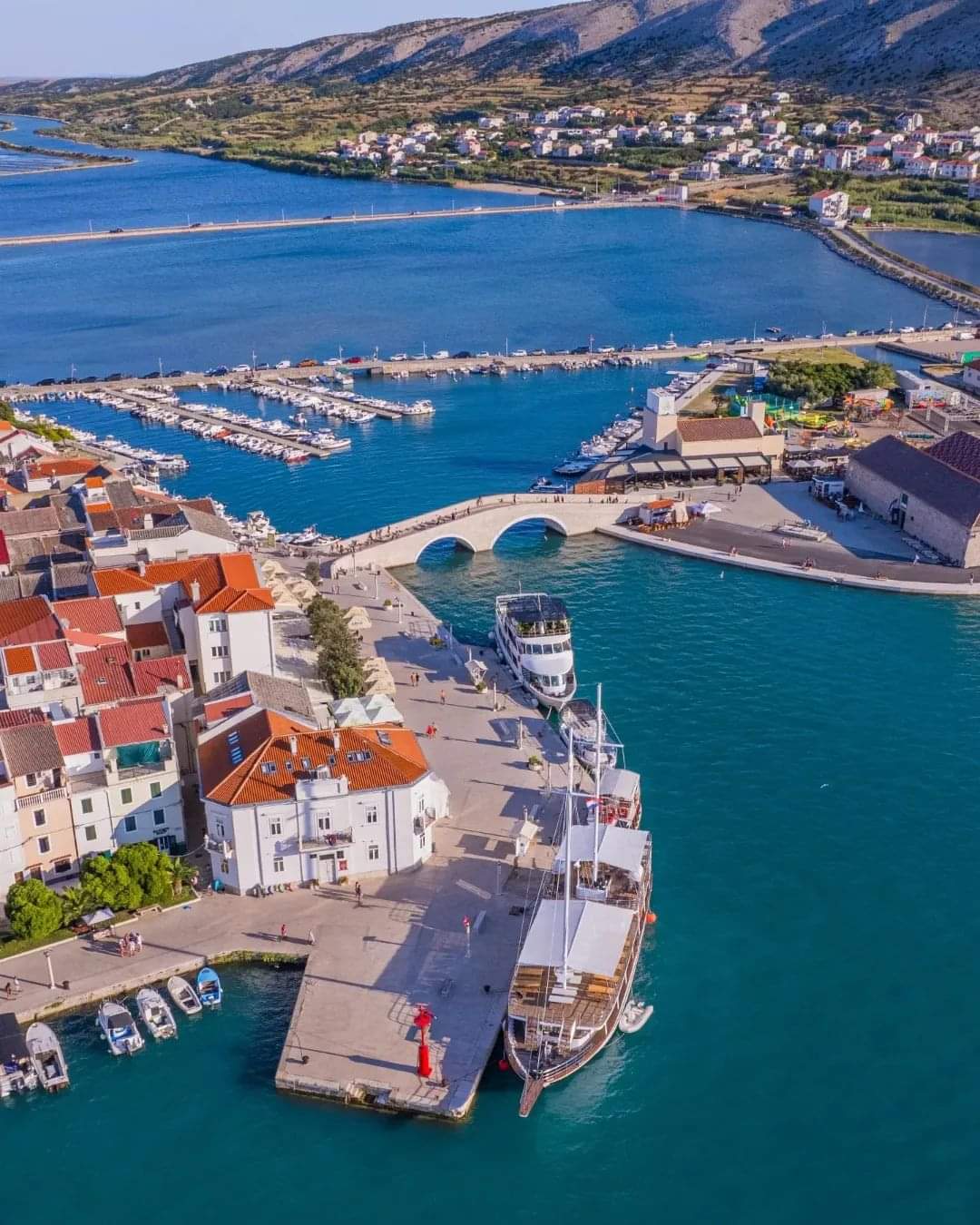
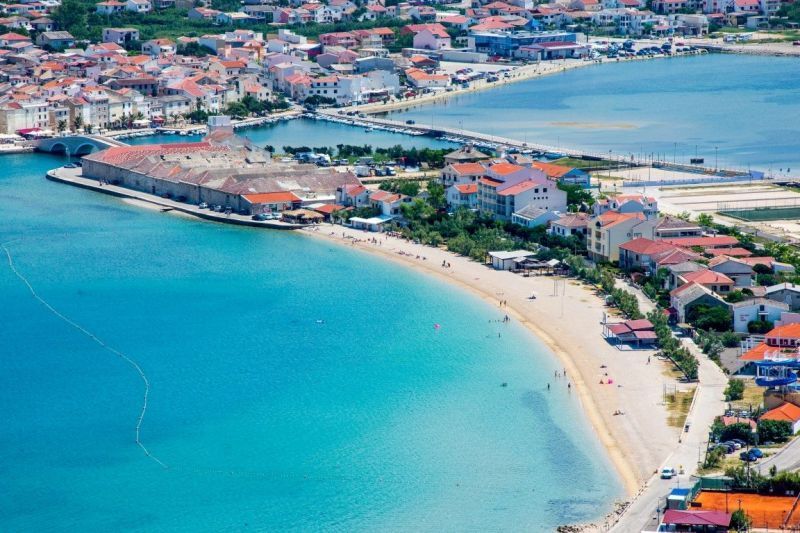
For visitors searching for a pizzeria in Pag, D10’s Pizza Fantasista is located at Prosika 51A, directly beside Prosika Beach and within walking distance of Pag’s old town. It is a beachside pizzeria built around carefully fermented dough, Ruota di Carro pizza, local ingredients and a football-inspired identity.
There is no honest universal answer to the search for the best pizza in Pag. Some people want a classic Margherita, others want local ingredients, a large Ruota di Carro, a table near the sea or a place where dinner naturally becomes the rest of the evening. D10 is designed for that combination.
Come after the beach, after a walk through town or simply because you want pizza made properly without turning the evening into a formal occasion. You can explore the full menu before arriving, or contact the team when visiting with a larger group.
How to Eat Well in Pag
You do not need to complete this list in one heroic dinner. Begin with Paški sir and local wine. Make lamb the centre of a long lunch. Order seafood when the day’s catch looks right. Look for skuta while it is available. Take baškotini home. Taste the olive oil before pouring it.
Then try a modern dish that uses Pag ingredients without disguising them. That may be a contemporary restaurant plate, a dessert built around skuta or a pizza where Paški sir gives the final bite its unmistakable island character.
Most importantly, ask questions. Ask where the cheese came from, whether the oil is local, what fish is fresh, which wine was made on the island and why a particular ingredient belongs in the dish.
Frequently Asked Questions About Eating in Pag
What is the most famous food in Pag?
Paški sir is Pag’s most internationally recognized food. Pag lamb, skuta, baškotini, local olive oil, salt and fresh Adriatic seafood are also essential parts of the island’s food identity.
Where can I eat pizza in Pag?
D10’s Pizza Fantasista is a beachside pizzeria at Prosika 51A in the town of Pag. The menu focuses on Neapolitan craft and Ruota di Carro pizza, with options that include local ingredients such as Paški sir.
Which D10 pizza should I try for a taste of Pag?
Start with Dalma if you want Paški sir paired with Dalmatian prosciutto, arugula and cherry tomatoes on an olive oil base. Kaloka Vege is the more ingredient-driven island interpretation, combining Paški sir, skuta, rosemary, garlic and olive oil.
Is D10 close to the centre of Pag?
Yes. D10 is on Prosika Beach, on the seaside promenade connecting the older and newer parts of the town. It works well for lunch after the beach, dinner after walking through Pag or a longer evening beside the sea.
The best answer to what to eat in Pag is not one plate or one famous product. It is the connection between all of them. Salt settles on the herbs. Sheep eat those herbs and produce the milk used for cheese. The cheese appears beside local wine, inside traditional meals and on top of new pizzas. The sea provides lunch. Olive trees provide oil. A convent biscuit carries the story home.
That is what food in Pag really tastes like: not a collection of separate specialties, but one island quietly appearing in every course.